Hey there, its your coach, Jordan Briones
I’ve been on the court with players of all levels, from total beginners to seasoned competitors and there’s one thing I’ve learned: sometimes, what you’ve been taught or picked up over time is actually holding you back.
Today, I want to walk you through five of the biggest misconceptions in pickleball, why they don’t work as well as you think, and how you can replace them with smarter, more effective habits.
1. Moving at the Kitchen Line
When I ask players to move to their left or right at the kitchen, most instinctively lead with their outside leg. Need to move left? They step with the left leg first. Moving right? Right leg first.
While this works in some situations, it’s not the most efficient movement, especially when you’re trying to stay in an attacking position.
Here’s what I recommend instead: lead with your inside leg, then bring the outside leg with a shuffle step. This keeps your contact point closer to your body and in front of your hips, giving you more control and the ability to attack more often.
I can’t tell you how many times I’ve seen a player’s game change instantly with this one adjustment.
2. Ready Position Myths
I see two common “ready” stances:
- Paddle Out — arms fully extended, paddle far in front.
- Elbow Up — paddle high, elbow bent at shoulder height.
Both have flaws. Paddle Out makes it slower to counter fast balls because you have to pull back before hitting. Elbow Up leaves your “chicken wing” (right hip area) vulnerable.
Instead, copy what the pros do: a neutral ready position. Paddle 6–12 inches from your torso, slightly toward your backhand. From here, you can counter on both sides quickly and reset when needed.
3. How to Actually Slow the Ball Down
A lot of players think slowing the ball down means “absorbing” pace, pulling the paddle in or slicing with extra motion. But in reality, both cause the ball to pop up.
The fix? A stable paddle face and solid base. Move your paddle to the ball, then keep it still through contact, with a slight upward lift. Avoid adding pace, your goal is to drop the ball in front of your opponent’s kitchen line, forcing them to hit up.
4. Playing Against Bangers
One of the worst pieces of advice I’ve heard is, “Just slow it down against bangers.” If you do that poorly, you give them an easy ball to keep hammering.
Instead, fight fire with fire: counter aggressively. Punch or push the ball deep to their baseline or directly at their feet. This takes away their attack and forces them to defend.
5. Cement Feet at the Kitchen
Some players are glued to the kitchen line, thinking stepping back is always a defensive move. Not true.
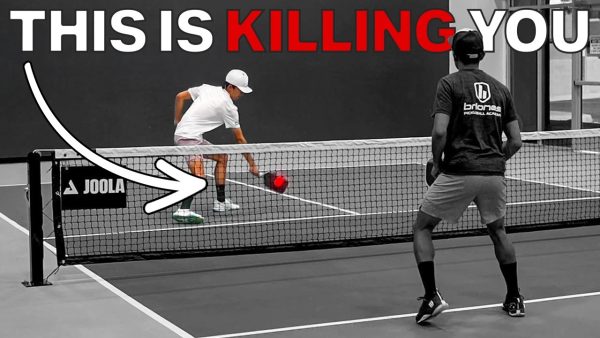
When a ball is at your feet, sometimes the smartest play is to create space, step back, drop step, or angle shuffle off the line. This gives you room to contact the ball in front and still hit an aggressive shot.
Even pros do this regularly during dink rallies or when dealing with tough third shot drops.
Final Thoughts
Pickleball is as much about unlearning bad habits as it is about learning new skills. If any of these misconceptions sound familiar, try the adjustments I’ve shared, you’ll be surprised how quickly your control, positioning, and confidence improve.
And if you’re serious about stepping up your attacking game, I’ve put together a free Attack Masterclass that goes deeper into these concepts and more. You can check it out at AttackMasterclass.com.
See you on the courts,
Jordan Briones